Optimal Timing for Concrete Leveling
Concrete levelings are most effectively performed during specific weather conditions to ensure proper curing and long-lasting results. Timing can influence the durability and effectiveness of the leveling process, making it crucial to choose optimal periods for scheduling.
Concrete leveling is best performed when daytime temperatures are between 50°F and 85°F. Cooler or excessively hot weather can affect the curing process and structural stability.
Scheduling during dry weather prevents excess moisture from affecting the concrete. Rain can wash away leveling materials and compromise the integrity of the work.
Spring and fall typically provide the most suitable weather conditions, with moderate temperatures and lower chances of precipitation.
Consistent temperatures are ideal; large fluctuations can cause cracking or uneven settling of the concrete.
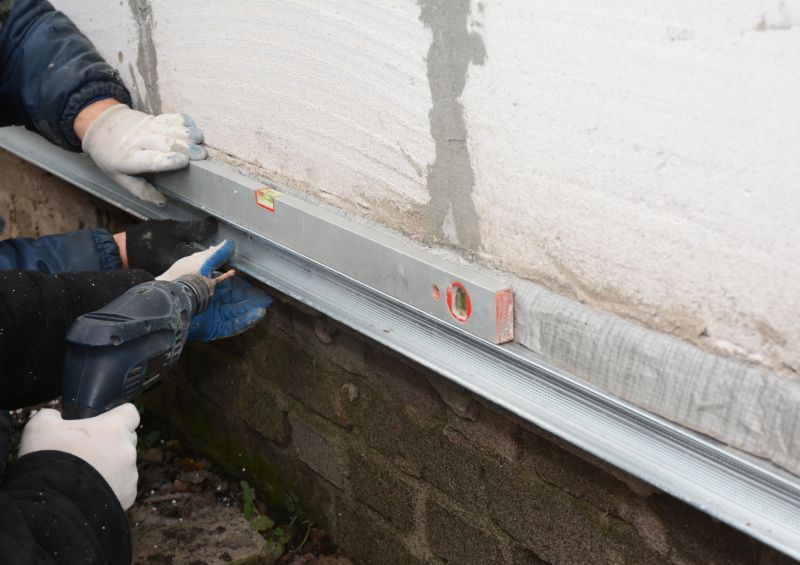
Ways to make Concrete Levelings work in tight or awkward layouts.
Popular materials for Concrete Levelings and why they hold up over time.
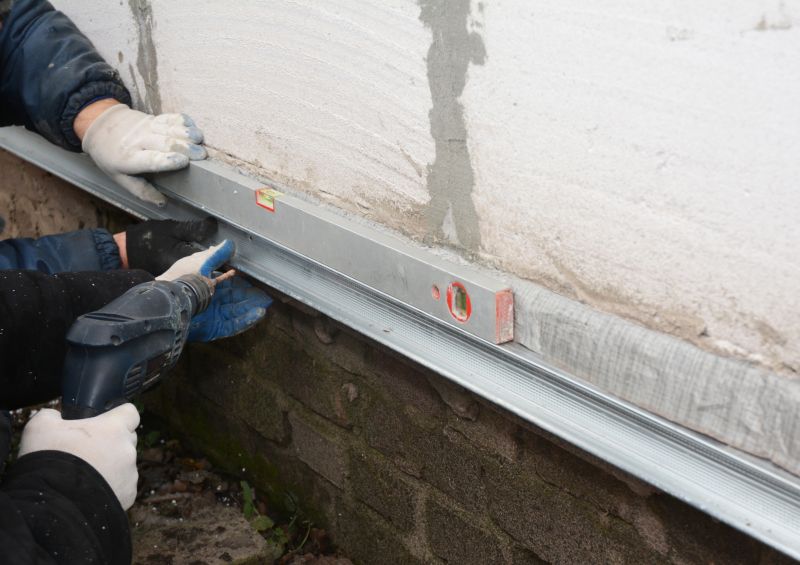
Simple add-ons that improve Concrete Levelings without blowing the budget.
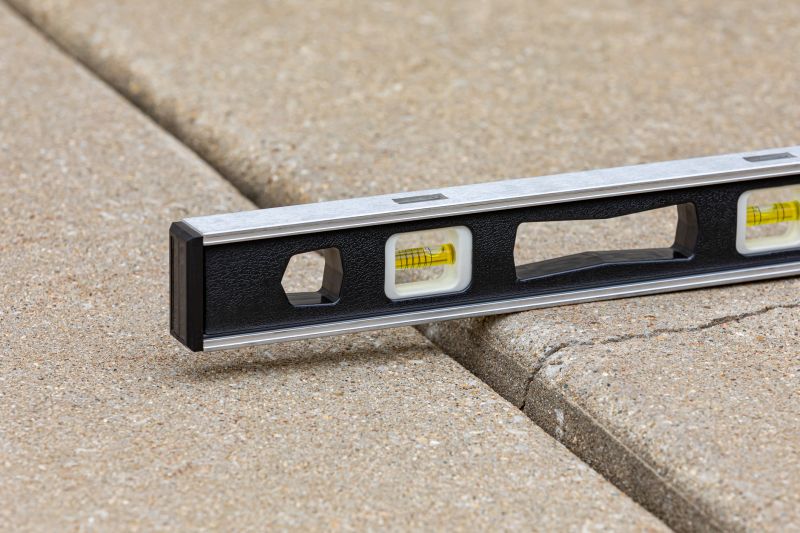
High-end options that actually feel worth it for Concrete Levelings.
Concrete levelings address uneven surfaces caused by ground settling, frost heave, or poor initial installation. Proper timing enhances the effectiveness of the leveling process, reducing the risk of future issues. The process involves injecting a leveling compound beneath the slab to restore a flat surface, often saving costs compared to full replacement. Accurate timing ensures the material cures properly, maintaining surface stability for years to come.
Statistics indicate that scheduling concrete levelings during favorable weather conditions can extend the lifespan of the repair by up to 30 percent. Properly timed work minimizes the need for future repairs and maintains safety by preventing trip hazards and structural instability.
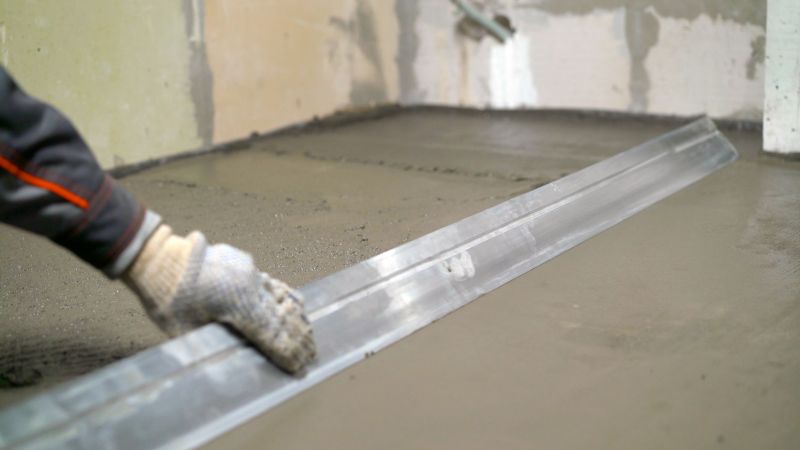
Finishes and colors that play nicely with Concrete Levelings.
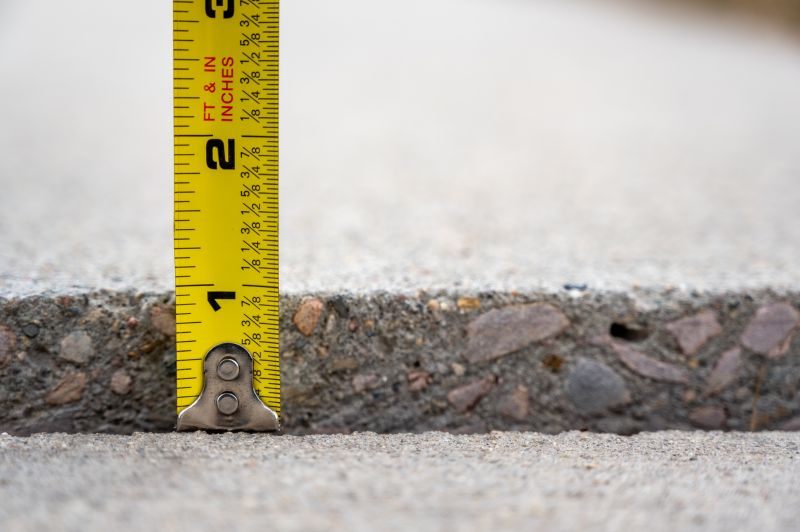
Little measurements that prevent headaches on Concrete Levelings day.
A 60-second routine that keeps Concrete Levelings looking new.
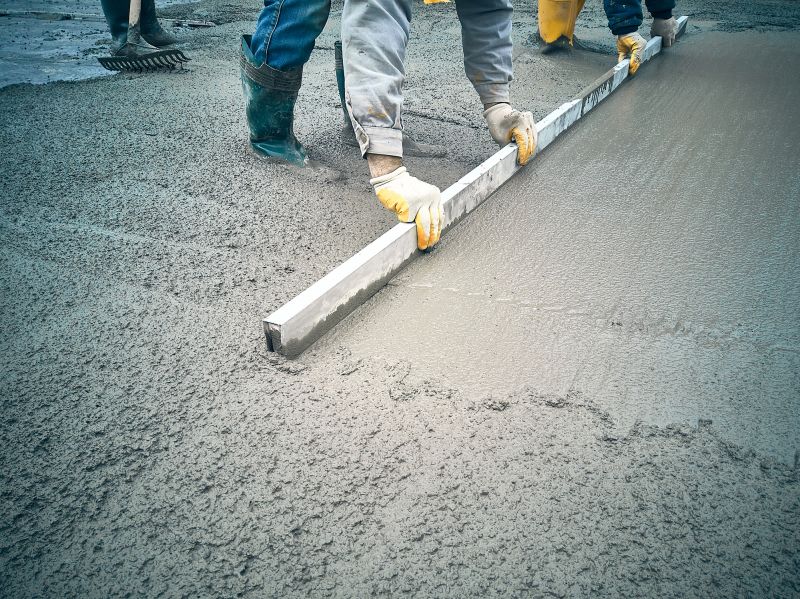
A frequent mistake in Concrete Levelings and how to dodge it.
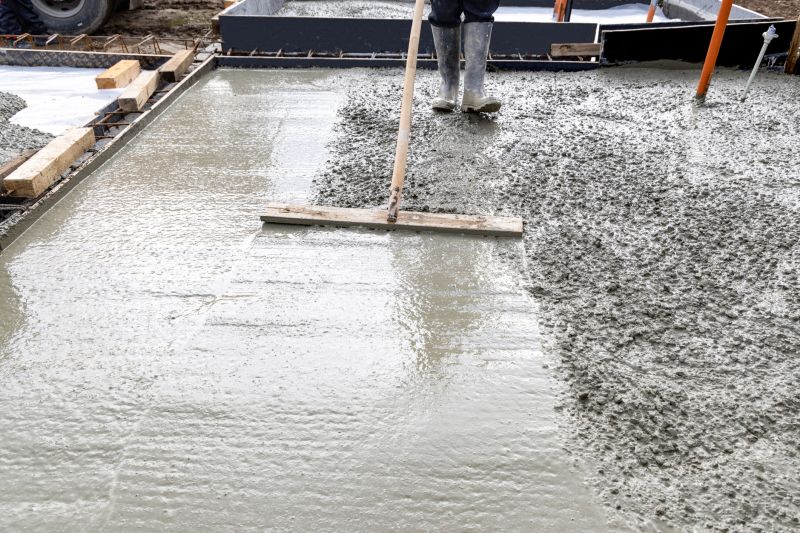
Small tweaks to make Concrete Levelings safer and easier to use.
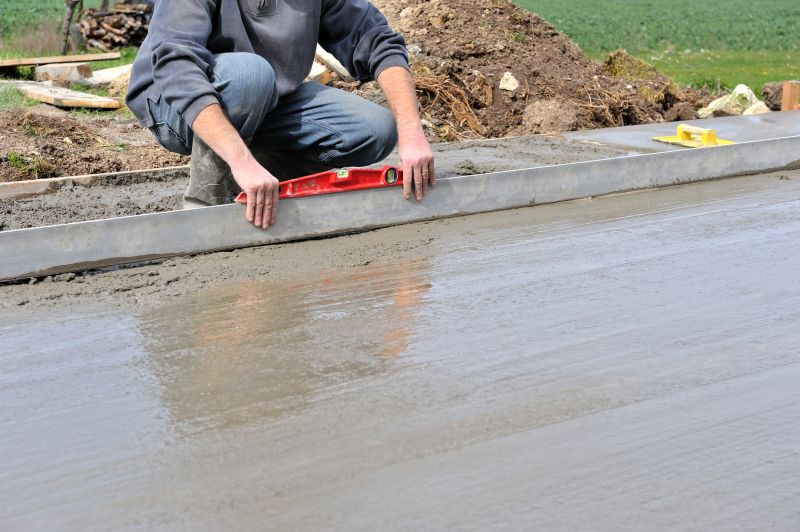
Lower-waste or water-saving choices for Concrete Levelings.
| Season | Ideal Conditions |
|---|---|
| Spring | Moderate temperatures, low rain |
| Fall | Cooler weather, dry days |
| Summer | Hot days, avoid peak heat |
| Winter | Too cold for effective curing |
| Late Spring | Optimal for scheduling |
| Early Fall | Good weather window |
For those considering concrete levelings in Saint Petersburg, FL, timing during the milder months can lead to more efficient work and durable results. Monitoring weather forecasts and selecting periods with stable, moderate conditions is recommended to ensure the best possible outcome.
Interested in scheduling concrete levelings? Filling out the contact form can help identify the best time for your specific project and ensure a smooth, effective process.